
 Français
 فارسی
فارسی O'zbek
 Polski
 한국어
한국어 Svenska
 Malti
Malti hrvatski
 magyar
 Latviešu
 Italiano
 українська
 suomi
suomi slovenščina
 Indonesia
 Ελληνικά
 Español
 Srbija jezik
(latinica)
Srbija jezik
(latinica) Bai Miaowen
 Kreyòl Ayisyen
 Čeština
 Cymraeg
 Lietuvių
 русский
  简体中文
简体中文 bosanski
 dansk
dansk România limbi
 slovenčina
 বাংলা
বাংলা Deutsch
 Melayu
 Norsk
Norsk עברית
עברית Català
 Български
 عربي
عربي  Việt Nam
 ไทย
ไทย Eesti
Eesti Türkçe
 Nederlands
 हिंदी
हिंदी اردو
اردو Gaeilgenah Éireann
 日本語
日本語 íslenska
 Português
Hey there! I'm a supplier in the cable trucking business, and today I wanna chat about the safety equipment requirements for cable trucks. Safety's super important in this field, and having the right gear can prevent a whole bunch of accidents and keep everyone in the workplace safe.
Let's start with the basics. First off, cable trucks need proper personal protective equipment (PPE) for the operators. This includes hard hats. You never know when something might fall from above, like tools or debris. A good hard hat can take the impact and protect the operator's head from serious injury. It should meet the relevant safety standards, like those set by the Occupational Safety and Health Administration (OSHA) in the US.
Next up, safety glasses are a must. When working with cables, there's a risk of small particles flying into the eyes. Whether it's from cutting cables or dealing with sharp edges on cable trays, safety glasses can shield the eyes from these hazards. They should be impact - resistant and fit well to provide maximum protection.
Gloves are also essential. Operators need to handle cables all the time, and there are various risks involved. For example, some cables might have sharp edges, or there could be chemicals on them. Insulated gloves are great for protecting against electrical shocks, especially when dealing with live cables. And if there's a risk of cuts or abrasions, cut - resistant gloves are the way to go.
Now, let's talk about the equipment on the cable truck itself. One of the key safety features is the braking system. A cable truck often carries heavy loads, and a reliable braking system is crucial for safe operation. The brakes should be regularly inspected and maintained to ensure they can stop the truck effectively, even when it's fully loaded.
Another important piece of equipment is the lighting system. Good lighting is essential, especially when working at night or in low - light conditions. The truck should have bright headlights, taillights, and indicator lights. This helps other drivers on the road to see the cable truck clearly, reducing the risk of collisions. Additionally, there should be work lights on the truck so that the operators can see what they're doing when loading or unloading cables.
When it comes to cable handling, there are specific safety tools. For instance, cable pullers need to be in good working condition. They are used to pull cables through conduits or across long distances. A malfunctioning cable puller can not only damage the cables but also pose a danger to the operators. It should have safety guards to prevent fingers or clothing from getting caught in the moving parts.
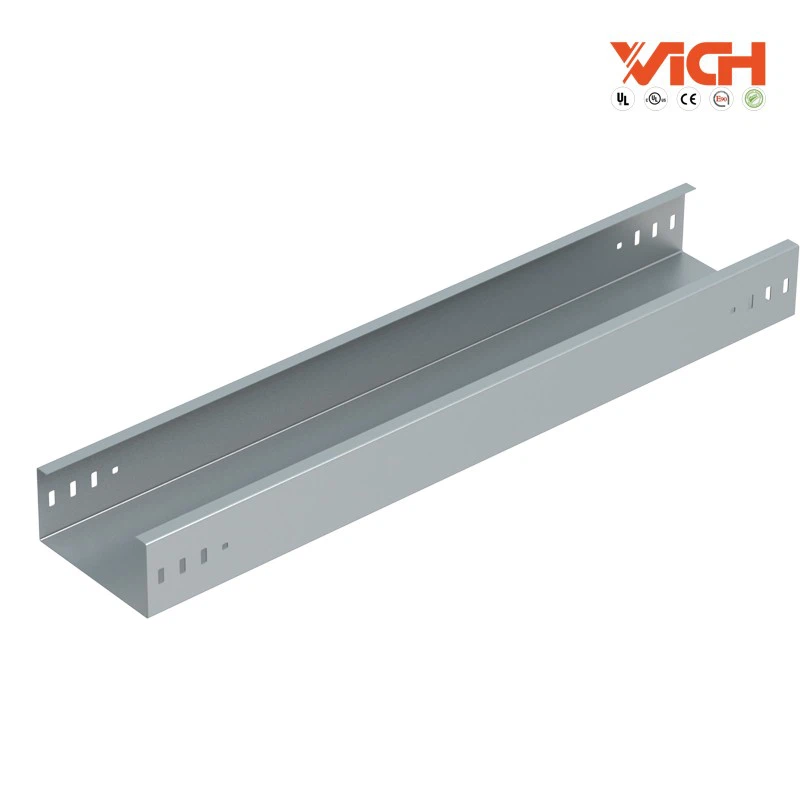
Cable trays are also important. We offer different types of cable trays, such as Hdg Cable Trunking, Aluminium Cable Trunking, and Stainless Steel Cable Trunking. These trays are designed to hold cables securely and prevent them from tangling or falling. They should be properly installed and supported to ensure they can handle the weight of the cables.
In addition to the above, cable trucks should have fire - extinguishing equipment. There's always a risk of fire, especially when dealing with electrical components. A fire extinguisher should be easily accessible on the truck, and the operators should be trained on how to use it.
Safety signs and labels are also vital. They should be placed on the truck to indicate potential hazards, such as high - voltage areas or restricted access zones. This helps to keep everyone aware of the risks and take appropriate precautions.
When it comes to loading and unloading cables, there are safety requirements as well. For example, there should be proper ramps or lifts to move the cables safely onto and off the truck. These ramps should be stable and have non - slip surfaces to prevent accidents.
Now, let's talk about the environment. Cable trucks often operate in different weather conditions. In wet or slippery conditions, the truck should have appropriate tires with good traction. Chains can also be used on the tires in snowy or icy conditions to improve grip.
Moreover, the truck should have a first - aid kit on board. In case of minor injuries, having a first - aid kit can provide immediate treatment until professional medical help arrives.
Training is another crucial aspect. All operators should be properly trained on how to use the safety equipment and follow safety procedures. This includes training on how to handle emergencies, such as fires or electrical shocks.
As a cable trucking supplier, I understand the importance of providing high - quality safety equipment. We always make sure that the products we offer meet the highest safety standards. Whether you need PPE for your operators or safety equipment for the truck itself, we've got you covered.
If you're in the market for cable trucking equipment and are concerned about safety, don't hesitate to get in touch. We can have a detailed discussion about your specific needs and provide you with the best solutions. Our team is always ready to help you make the right choices to ensure the safety of your operations.
In conclusion, safety equipment requirements for cable trucks cover a wide range of areas, from personal protective equipment for operators to the equipment on the truck itself. By ensuring that all the necessary safety equipment is in place and properly maintained, we can significantly reduce the risk of accidents and create a safer working environment. So, if you're looking to enhance the safety of your cable trucking operations, give us a shout. We're here to assist you every step of the way.
References:

- Occupational Safety and Health Administration (OSHA) guidelines on transportation and equipment safety.
- Industry standards for cable trucking equipment safety.


